 Request a Quote


 FACEBOOK
 TWITTER
 LINKEDIN
Choosing the right sintered stone slab is an important step in any interior or architectural project. Different applications require different levels of strength, thickness, surface finish, and visual style. By understanding the main selection factors, designers, distributors, and project owners can choose a slab that matches both design goals and practical performance needs.
The first factor to consider is application. For kitchen countertops and bathroom vanities, the slab should offer strong resistance to stains, heat, scratches, and moisture. A non-porous surface is especially useful for areas that require frequent cleaning. For flooring, wear resistance and anti-slip performance are important, especially in hotels, commercial spaces, and public areas with heavy foot traffic.
For wall cladding, visual continuity becomes a key concern. Large-format sintered stone slabs can reduce joint lines and create a more seamless appearance. Marble-inspired patterns are often used for luxury interiors, while concrete and stone-look finishes are suitable for minimalist, industrial, or modern architectural styles.
Thickness is another important consideration. Thinner slabs may be suitable for cabinet doors, furniture surfaces, and wall applications, while thicker slabs are often preferred for countertops and high-impact areas. The final choice should depend on installation method, support structure, and project requirements.
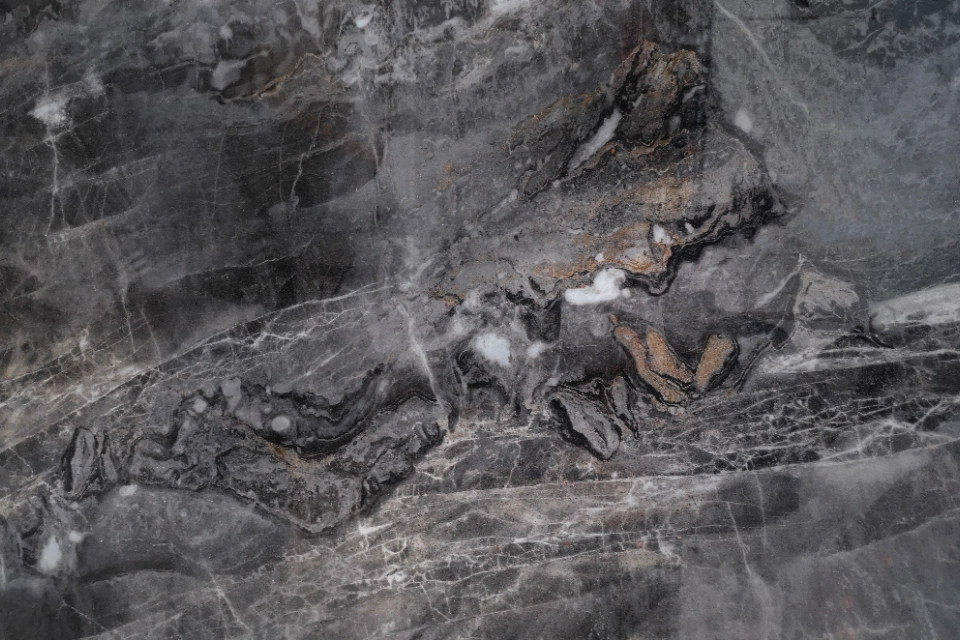
Surface finish also affects both appearance and function. Polished finishes create a bright and elegant look, making them suitable for high-end residential and commercial interiors. Matte finishes provide a softer and more natural appearance, while textured finishes can improve visual depth and tactile quality. For outdoor or flooring applications, the finish should also support safety and durability.
Color and pattern selection should be based on the overall design language of the space. Light colors can make interiors feel larger and brighter, while dark tones create a more dramatic and premium atmosphere. Natural marble textures bring elegance, wood-inspired surfaces add warmth, and concrete finishes create a clean modern effect.
For large-scale projects, consistency is essential. Sintered stone offers better uniformity than many natural materials, helping reduce variation between slabs. This makes installation easier and helps achieve a more controlled final result across multiple rooms or building areas.
Customization is also valuable for branded projects. OEM and ODM services can support custom sizes, exclusive finishes, private label packaging, and tailored product development. This is especially useful for distributors, furniture brands, designers, and contractors who need a unique surface solution.
The right sintered stone slab should not only look beautiful but also perform reliably over time. By considering application, thickness, finish, pattern, durability, and customization needs, project teams can select a material that enhances both design quality and long-term value.